

15 Frequently Asked Questions : Brain Tumor Surgery in India for Iraqi Patients
A brain tumour is an abnormal growth of cells within or around the brain. Brain tumours can be benign or malignant, and treatment depends on the tumour's type, size, location, growth pattern, symptoms and relationship to important brain structures. Treatment may involve surgery, biopsy, radiation therapy, radiosurgery, chemotherapy, targeted therapy, observation or a combination of treatments. Brain tumour surgery may be performed through conventional craniotomy, minimally invasive approaches, endoscopic techniques or specialised image-guided procedures depending on the individual case. India has specialised neurosurgical and neuro-oncology centres offering multidisciplinary evaluation involving neurosurgeons, neurologists, neuro-oncologists, neuroradiologists, radiation oncologists, neuropathologists, neuro-anaesthesiologists and rehabilitation specialists. For Iraqi patients, treatment planning should begin with review of the patient's MRI or CT images, pathology reports where available, previous treatment and current neurological symptoms.
Healing Journeys of Iraqi Patients
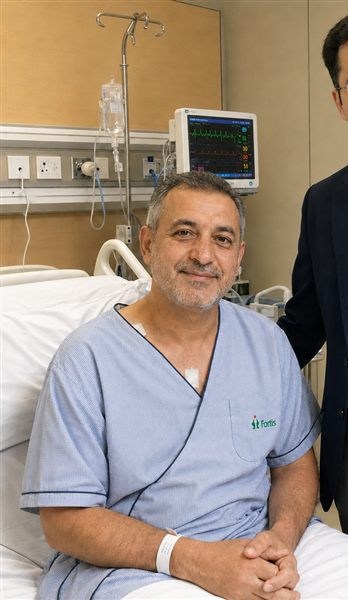
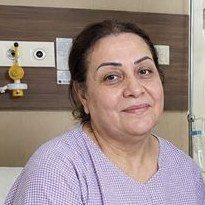
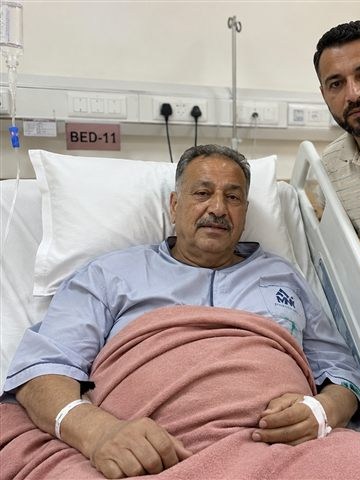
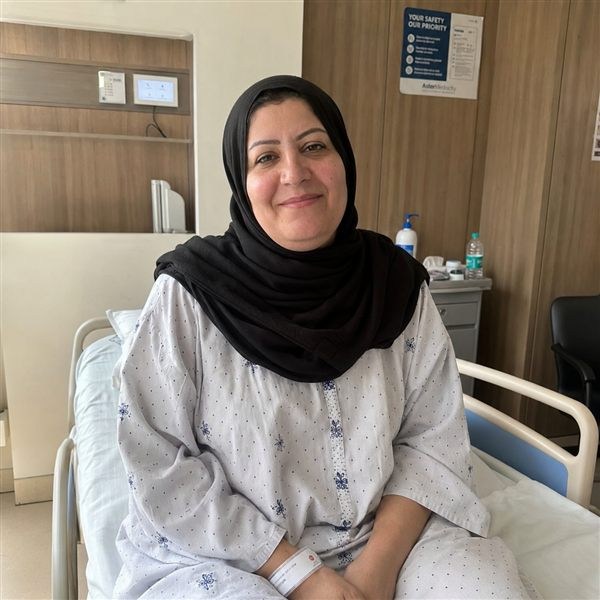
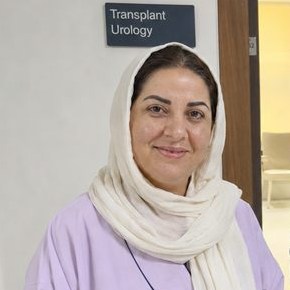
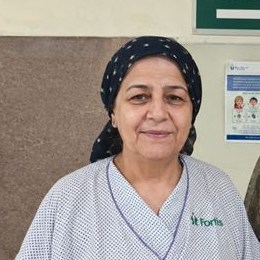
Q1 · Why might Iraqi patients consider brain tumour surgery in India?
India provides access to specialised neurosurgical and neuro-oncology teams capable of evaluating different types of brain tumours.
Iraqi patients may consider India for
- Brain tumour surgery
- Tumour biopsy
- Craniotomy
- Minimally invasive tumour surgery
- Endoscopic brain surgery
- Skull-base tumour surgery
- Pituitary tumour surgery
- Meningioma surgery
- Glioma surgery
- Selected metastatic brain tumour surgery
- Paediatric brain tumour treatment
- Functional or image-guided tumour surgery
- Multidisciplinary neuro-oncology treatment
- Second opinions for complex brain tumours
The appropriate treatment depends on the tumour's characteristics and should be determined by a specialist team after reviewing the patient's imaging and medical records.
Q2 · What is the cost of brain tumor surgery in India compared with Iraq?
Brain tumour surgery costs vary according to tumour location, complexity, surgical approach, pathology requirements, neuronavigation, intraoperative monitoring, ICU care, hospital category and length of stay. Current India planning references place broad brain-tumour surgery ranges around US$6,000–15,000, while actual quotations vary substantially by case and hospital.
For planning: US$1 ≈ IQD 1,310 • US$1 ≈ INR 96
Indicative Cost Comparison
| Brain Tumor Treatment | Iraq Estimated Cost | India Estimated Cost | Potential Savings |
|---|---|---|---|
| Brain Tumor Biopsy | IQD 7,860,000–13,100,000 US$6,000–10,000 | INR 300,000–550,000 US$3,125–5,730 | Approx. 4–48% |
| Standard Brain Tumor Surgery | IQD 13,100,000–26,200,000 US$10,000–20,000 | INR 550,000–1,100,000 US$5,730–11,460 | Approx. 15–43% |
| Complex Brain Tumor Surgery | IQD 19,650,000–39,300,000 US$15,000–30,000 | INR 800,000–1,500,000 US$8,335–15,625 | Approx. 0–44% |
| Skull-Base Tumor Surgery | IQD 26,200,000–52,400,000 US$20,000–40,000 | INR 1,000,000–1,800,000 US$10,420–18,750 | Approx. 6–48% |
| Paediatric Brain Tumor Surgery | IQD 19,650,000–39,300,000 US$15,000–30,000 | INR 700,000–1,400,000 US$7,290–14,585 | Approx. 3–51% |
| Complex Tumor Surgery with Extended ICU Care | IQD 26,200,000–52,400,000 US$20,000–40,000 | INR 1,200,000–2,000,000 US$12,500–20,835 | Approx. 0–38% |
Important: These are indicative planning estimates only. The final cost can change according to tumour pathology, surgical complexity, imaging, navigation, monitoring, ICU stay, medicines, complications and additional oncology treatment. A current India reference specifically identifies tumour location, extent of resection, navigation, monitoring, awake mapping, ICU nights and repeat imaging as important cost factors.
Q3 · Which Indian cities can Iraqi patients consider for brain tumor surgery?
| City | Brain Tumor Treatment Options |
|---|---|
| Delhi | Neurosurgery, neuro-oncology, skull-base and complex brain tumour care |
| Gurugram | Brain tumour surgery and multidisciplinary neuro-oncology |
| Noida | Neurosurgery and neurological oncology services |
| Mumbai | Brain tumour, skull-base and neuro-oncology treatment |
| Chennai | Neurosurgery, neuro-oncology and advanced brain surgery |
| Bengaluru | Brain tumour surgery and multidisciplinary neurological care |
| Hyderabad | Neurosurgery and neuro-oncology |
| Kolkata | Neurosurgery and multidisciplinary cancer care |
| Ahmedabad | Brain and neurological surgical treatment |
| Pune | Neurosurgery and specialist neurological care |
| Kochi | Neurosurgery and multidisciplinary treatment |
| Thiruvananthapuram | Specialist neurological and hospital-based care |
| Goa | Selected neurosurgical services |
| Nagpur | Neurosurgery and multidisciplinary neurological treatment |
The appropriate city should depend on tumour type, required technology, specialist availability, treatment complexity and expected duration of stay.
Q4 · Which hospitals and medical centres in India can Iraqi patients consider?
The following hospitals are part of the broader Indian healthcare network that international patients may consider. Availability of a particular brain tumour procedure, specialist or technology should be confirmed before travel.
Delhi Hospitals
- Fortis Escorts Heart Institute, New Delhi
- BLK-Max Super Speciality Hospital, New Delhi
- Max Super Speciality Hospital, Saket
- Indraprastha Apollo Hospitals, New Delhi
- Sir Ganga Ram Hospital
- Max Super Speciality Hospital, Patparganj
- Manipal Hospital, Dwarka
- Fortis Hospital, Vasant Kunj
- Institute of Brain and Spine Hospital (IBS Hospital)
- Dharamshila Narayana Hospital
- Indian Spinal Injuries Centre
- AIIMS New Delhi
Chennai Hospitals
- MGM Healthcare
- MIOT International
- Apollo Hospitals, Greams Road
- Sri Ramachandra Medical Centre
- SIMS Hospital
- Kauvery Hospital
- Gleneagles HealthCity Chennai
- Vijaya Hospital
- Apollo Speciality Hospitals
- Rela Hospital
Mumbai Hospitals
- Bombay Hospital & Medical Research Centre
- Lilavati Hospital & Research Centre
- Jaslok Hospital & Research Centre
- Gleneagles Hospital, Mumbai
- Nanavati Max Super Speciality Hospital
- Kokilaben Dhirubhai Ambani Hospital
- P. D. Hinduja Hospital & Medical Research Centre
- Sir H. N. Reliance Foundation Hospital
- Wockhardt Hospitals, Mumbai
- Apollo Hospitals, Mumbai
Bengaluru Hospitals
- Manipal Hospital, Old Airport Road
- Manipal Hospital, Whitefield
- Manipal Hospital, Yeshwanthpur
- Apollo Hospitals, Bengaluru
- Fortis Hospital, Bannerghatta Road
- Aster CMI Hospital
- Sakra World Hospital
- Narayana Health City
- Sagar Hospitals
- Kauvery Hospital, Bengaluru
Hyderabad Hospitals
- KIMS Hospitals
- Yashoda Hospitals
- Apollo Health City
- CARE Hospitals
- Continental Hospitals
- Gleneagles Hospitals, Hyderabad
- Sunshine Hospitals
- Star Hospitals
Gurugram Hospitals
- Fortis Memorial Research Institute (FMRI)
- Medanta – The Medicity
- Artemis Hospital
- Max Hospital, Gurugram
- CK Birla Hospital, Gurugram
- Manipal Hospital, Gurugram
- Paras Health
- Narayana Superspeciality Hospital
Noida Hospitals
- Fortis Hospital, Noida
- Jaypee Hospital
- Max Super Speciality Hospital, Noida
- Yatharth Hospital
- Kailash Hospital
- Metro Hospital & Heart Institute
- Metro Center for Neurosciences
Kolkata Hospitals
- Apollo Multispeciality Hospitals
- AMRI Hospitals
- Fortis Hospital, Anandapur
- Manipal Hospitals, Salt Lake
- Medica Superspecialty Hospital
- Narayana Superspeciality Hospital
- Ruby General Hospital
Pune Hospitals
- Ruby Hall Clinic
- Jehangir Hospital
- Deenanath Mangeshkar Hospital
- Sahyadri Super Speciality Hospital
- Aditya Birla Memorial Hospital
- Manipal Hospital, Kharadi
- Medicover Hospital, Pune
Ahmedabad Hospitals
- Apollo Hospitals, Ahmedabad
- Zydus Hospitals
- Sterling Hospitals
- Shalby Hospitals
- HCG Hospitals
- SAL Hospital
- CIMS Hospital
Kochi Hospitals
- Aster Medcity
- Amrita Hospital
- VPS Lakeshore Hospital
- Rajagiri Hospital
- Aster MIMS
- Lisie Hospital
- Renai Medicity
Thiruvananthapuram Hospitals
- KIMSHEALTH Hospital
- Ananthapuri Hospitals and Research Institute
- SUT Hospital
- SP Medifort Hospital
- PRS Hospital
- GG Hospital
Goa Hospitals
- Manipal Hospital, Goa
- Healthway Hospital
- Manipal Hospitals, Dona Paula
- Goa Medical College and Hospital
- Apollo Victor Hospital
Nagpur Hospitals
- Wockhardt Hospitals, Nagpur
- Alexis Multispeciality Hospital
- CARE Hospitals, Nagpur
- Kingsway Hospitals
- Lata Mangeshkar Hospital
Note: Not every hospital listed above necessarily provides every brain tumour treatment or technology. Iraqi patients should confirm the relevant neurosurgical and neuro-oncology services before travelling.
Q5 · What types of brain tumor surgery are available in India?
Depending on the tumour and its location, procedures may include
- Brain tumour biopsy
- Craniotomy
- Tumour resection
- Tumour debulking
- Minimally invasive brain tumour surgery
- Endoscopic tumour surgery
- Skull-base tumour surgery
- Pituitary tumour surgery
- Meningioma surgery
- Glioma surgery
- Selected metastatic tumour surgery
- Paediatric brain tumour surgery
- Awake brain surgery with mapping in selected cases
- Image-guided tumour surgery
- Stereotactic procedures
The surgical objective may be complete removal, maximum safe removal, biopsy or reduction of tumour volume, depending on the individual diagnosis.
Q6 · Which patients may need brain tumor surgery?
Brain tumour surgery may be considered when a tumour
- Causes neurological symptoms
- Produces pressure on surrounding brain structures
- Is growing or changing on imaging
- Requires tissue diagnosis
- Can potentially be safely removed
- Causes seizures
- Causes increased intracranial pressure
- Requires decompression
- Needs surgical treatment before additional therapy
Symptoms may include
- Persistent or progressive headaches
- Seizures
- Weakness
- Changes in vision
- Speech difficulties
- Balance problems
- Changes in sensation
- Memory or cognitive changes
- Nausea or vomiting associated with raised intracranial pressure
Not every brain tumour requires surgery. Some tumours may be observed or treated with radiation, radiosurgery or medical oncology depending on the diagnosis.
Q7 · What advanced technologies may be used during brain tumor surgery?
Depending on the tumour and treating centre, advanced techniques may include
- Neuronavigation
- Intraoperative imaging
- Intraoperative neuromonitoring
- Functional brain mapping
- Awake craniotomy in selected cases
- Operating microscopes
- Endoscopic techniques
- Fluorescence-guided surgery in selected tumours
- Stereotactic navigation
- Advanced neuro-anaesthesia
- Intraoperative ultrasound
- Computer-assisted surgical planning
Current Indian centres also use image-guided and navigation technologies for selected complex brain and spine procedures. The appropriate technology depends on tumour location, pathology and the surgical plan.
Q8 · What medical reports should Iraqi patients send before travelling to India?
Patients should send complete brain tumour records wherever available.
These may include
- Recent MRI brain with contrast
- CT brain scans
- MRI or CT reports
- Previous biopsy reports
- Histopathology reports
- Molecular or genetic tumour testing where available
- Previous operation reports
- Previous radiation treatment records
- Chemotherapy or targeted-treatment records
- Neurology and neurosurgery consultations
- Current medication list
- Blood-test reports
- Details of seizures or neurological symptoms
Patients should preferably provide the actual imaging files along with written reports. Review of the original MRI or CT images can be important for treatment planning.
Q9 · What is the typical brain tumor surgery process in India?
Step 1: Medical Record Review
The neurosurgical team reviews the patient's imaging, pathology and previous treatment.
Step 2: Specialist Consultation
A neurosurgeon or neuro-oncology team evaluates the patient's condition.
Step 3: Additional Testing
Additional MRI sequences, functional imaging, CT, angiography or laboratory tests may be requested.
Step 4: Pathology Review
If a biopsy has already been performed, pathology and molecular findings may be reviewed.
Step 5: Treatment Planning
The team determines whether surgery, biopsy, radiation, radiosurgery, medication or combined treatment is appropriate.
Step 6: Preoperative Assessment
Anaesthesia and other medical assessments are performed before surgery.
Step 7: Surgery
The selected surgical procedure is performed using the appropriate technique.
Step 8: Postoperative Monitoring
The patient may require neuro-ICU or high-dependency monitoring after major surgery.
Step 9: Pathology
Surgically removed tissue is examined to establish or confirm the diagnosis.
Step 10: Further Treatment Planning
Depending on the pathology, the patient may require radiation, chemotherapy, targeted therapy, immunotherapy, observation or additional treatment.
Q10 · Are there alternatives to brain tumor surgery?
Yes. Surgery is not automatically required for every brain tumour.
Depending on the tumour type and clinical situation, alternatives may include
- Observation and regular MRI
- Radiation therapy
- Stereotactic radiosurgery
- Chemotherapy
- Targeted therapy
- Immunotherapy for selected conditions
- Medical treatment for associated symptoms
- Biopsy rather than complete tumour removal
For selected lesions, radiosurgery may be considered instead of open surgery. Other tumours may require surgery primarily to obtain tissue for diagnosis. The appropriate treatment depends on the tumour's pathology, location, size and clinical behaviour.
Q11 · What should Iraqi patients ask before accepting a brain tumor surgery quotation?
Before travelling, patients should ask
- What is the suspected or confirmed tumour type?
- What is the exact location of the tumour?
- Is surgery necessary?
- Is biopsy sufficient, or is tumour removal recommended?
- What is the goal of surgery?
- Is complete removal expected to be possible?
- Will neuronavigation or intraoperative monitoring be used?
- Will awake mapping be required?
- How long is the expected hospital stay?
- Will ICU care be required?
- Is pathology included in the quotation?
- What imaging and investigations are included?
- What is included in the surgical package?
- What additional costs may arise?
- Will radiation or other oncology treatment be required after surgery?
Patients should request a written, itemised treatment estimate before confirming travel.
Q12 · How long should Iraqi patients stay in India for brain tumor surgery?
The required stay varies according to tumour type, surgical approach and postoperative recovery.
| Treatment | Approximate Planning Duration |
|---|---|
| Brain tumour biopsy | 3–7 days |
| Routine brain tumour surgery | 7–14 days |
| Complex brain tumour surgery | 10–21 days |
| Skull-base tumour surgery | 2–4 weeks or longer |
| Paediatric brain tumour surgery | Approximately 1–3 weeks |
| Surgery followed by additional oncology treatment | Several weeks or longer |
Some current India planning references use approximately 5–10 hospital nights as a broad planning range for brain tumour surgery, but complex cases can require substantially longer stays. Patients should not schedule an early return flight until the treating team confirms that they are medically fit to travel.
Q13 · What is recovery like after brain tumor surgery?
Recovery depends on the tumour location, surgical approach, neurological condition and extent of surgery.
Patients may experience
- Fatigue
- Headache
- Temporary swelling or discomfort
- Weakness
- Balance problems
- Speech difficulties
- Changes in sensation
- Seizures
- Concentration difficulties
- Temporary restrictions on physical activity
Recovery may involve
- Medication
- Wound care
- Physiotherapy
- Occupational therapy
- Speech therapy
- Neuro-rehabilitation
- Follow-up MRI
- Seizure management
- Oncology follow-up where required
Some patients may recover within weeks, while more complex cases can require several months of rehabilitation. New or worsening weakness, seizures, severe headache, confusion, repeated vomiting, loss of consciousness or other serious neurological symptoms require urgent medical evaluation.
Q14 · How can Iraqi patients continue follow-up after returning home?
Before returning to Iraq, patients should obtain
- Final diagnosis
- Operation report
- Discharge summary
- Histopathology report
- Molecular testing results where available
- Copies of MRI and CT reports
- Relevant imaging files
- Medication list
- Wound-care instructions
- Rehabilitation recommendations
- Recommended follow-up MRI schedule
- Radiation or oncology treatment plan where applicable
The patient should share these records with an appropriate neurologist, neurosurgeon or neuro-oncology team in Iraq. Long-term follow-up may include periodic MRI scans, neurological assessments, medication review and additional cancer treatment depending on the tumour type.
Q15 · Is brain tumor surgery in India suitable for every Iraqi patient?
Treatment in India is not automatically necessary for every patient with a brain tumour.
India may be considered when an Iraqi patient requires
- Complex brain tumour surgery
- A neurosurgical second opinion
- Skull-base tumour surgery
- Advanced image-guided surgery
- Paediatric brain tumour treatment
- Multidisciplinary neuro-oncology care
- Surgical and radiation treatment planning
- Review of a previous pathology or treatment plan
Before travelling, patients should compare the diagnosis, tumour pathology, proposed treatment, specialist experience, available technology, hospital facilities, expected stay, total cost, rehabilitation requirements and long-term follow-up arrangements. For complex cases, obtaining an Indian specialist opinion based on complete MRI/CT images and medical records before travelling can help clarify the treatment plan.
Final Pre-Travel Checklist for Iraqi Patients
Medical & Tumor Records
- Collect recent MRI brain scans and reports
- Carry actual imaging files where possible
- Collect CT scans if available
- Obtain biopsy and pathology reports
- Collect molecular testing reports where available
- Keep previous operation reports
- Collect previous radiation or chemotherapy records
- Prepare a complete medication list
Treatment Planning
- Confirm the suspected or confirmed tumour type
- Understand the tumour location
- Ask whether surgery or biopsy is recommended
- Understand the objective of surgery
- Ask whether neuronavigation is required
- Ask whether intraoperative monitoring or mapping is required
- Confirm the expected hospital stay
- Understand the expected recovery period
Cost & Hospital
- Obtain an itemised quotation
- Confirm whether pathology is included
- Confirm imaging and laboratory charges
- Ask about ICU charges
- Ask whether surgical devices or implants are included
- Ask about possible additional hospital costs
- Clarify whether radiation or oncology treatment is separate
Travel
- Arrange passport and required travel documentation
- Plan accommodation according to the expected recovery period
- Allow sufficient time for follow-up
- Avoid booking an early return flight after major brain surgery
- Carry all medical records and imaging during travel
Return to Iraq
- Obtain the final operation report
- Collect the complete pathology report
- Keep copies of MRI and CT reports
- Obtain the medication schedule
- Obtain the recommended follow-up MRI schedule
- Arrange neurological/neurosurgical follow-up in Iraq
- Keep the Indian team's treatment recommendations
Final Note
Brain Tumor Surgery in India involves specialised neurosurgical assessment and may be combined with radiation oncology, medical oncology, pathology, radiology and neuro-rehabilitation depending on the tumour. For Iraqi patients, the most important first step is to establish the tumour diagnosis and understand the proposed treatment objective. Sending complete MRI or CT images, pathology reports and previous treatment records for specialist review before travelling can help the treating team develop an appropriate preliminary plan. The final surgical approach, extent of tumour removal, treatment duration, hospital stay, recovery period and cost must always be confirmed after specialist evaluation.
Page Summary
This guide answers 15 frequently asked questions about brain tumor surgery in India for Iraqi patients. It sets out indicative cost ranges in IQD, USD and INR for procedures such as brain tumor biopsy, standard brain tumor surgery, complex brain tumor surgery and skull-base tumor surgery, and lists 14 Indian cities and 109 hospitals to research. It also covers treatment options, the medical reports to send before travel, the treatment process, alternatives, quotation questions, expected stay in India, recovery, follow-up care and a pre-travel checklist for patients from Iraq.


Our Mission Statement
Our mission is to place patients at the centre of every healthcare decision by providing trustworthy, evidence-based, and unbiased medical information. We believe that informed patients make better decisions. Backed by personalised guidance from our experienced advisory team, we help patients understand their treatment options, compare them objectively, and confidently choose the path that best suits their medical needs and personal circumstances.
Patient Testimonials from Iraq
Ready to Take the First Step?
Share your Medical Reports with our Healthcare Managers Today and Get a FREE CONSULTATION, a Personalized Treatment Plan, and Complete Support from Arrival to Recovery.
Get Your Free ConsultationAreas We Serve
Indian Health Guru Consultants proudly assists patients from Iraq and surrounding Middle Eastern countries in accessing advanced, affordable and trusted medical treatment in India. Our team provides complete support for medical opinions, hospital selection, treatment planning, visa assistance, travel coordination, accommodation and post-treatment follow-up.
We regularly serve patients from:
- Iraq
- Turkey
- Iran
- Kuwait
- Jordan
- Syria
- Qatar
- Bahrain
- Oman
- Yemen
- Saudi Arabia
- United Arab Emirates
No matter where you are located, our experienced team is committed to making your medical journey to India safe, smooth, transparent and stress-free from the first enquiry to your return home.
From Iraq to India: Your Complete Patient Guide
- Cardiac Pacemaker Treatment in India for Iraqi Patients
- Paediatric Neurosurgery in India for Iraqis
- IVF and Fertility Treatment in India for Iraqis
- Cancer Treatment in India for Iraqi Patients
- CyberKnife Treatment in India for Iraqis
- Prostate Cancer Treatment and Surgery in India for Iraqis
- Kidney Transplant in India for Iraqis
- Gamma Knife Treatment in India for Iraqis
- Oral and Maxillofacial Surgery in India for Iraqis
- Robotic Cancer Surgery in India for Iraqis
- Hip Surgery in India for Iraqis
- Cardiac Surgery in India for Iraqis
- Parkinson's Treatment and DBS Surgery in India for Iraqis
- Cosmetic and Aesthetic Surgery in India for Iraqis
- Dental Implants and Smile Makeover in India for Iraqis
- Cornea Transplant and Advanced Eye Surgery in India for Iraqis
- Neurosurgery in India for Iraqis
- Shoulder Surgery in India for Iraqis